$25 Off Your First Dumpster Rental Service!
What Can’t Go Curbside, And What To Do
What Can’t Go Curbside, And What To Do
When you place a can of old paint or a broken laptop at the curb, your hauler will leave it behind, and for good reason. Hazardous materials, including oil-based paints, solvents, pesticides, batteries, and electronics, contain chemicals that can leach into groundwater or release toxins when compacted in a standard waste truck. New York State environmental regulations prohibit these items from entering municipal landfills, and Nassau County enforces strict guidelines to protect the aquifer that supplies drinking water to millions of Long Island residents.
Electronics, from old televisions to smartphones, fall under e-waste laws because they contain lead, mercury, and other heavy metals. West Babylon and surrounding towns participate in county-sponsored hazardous waste collection events several times each year, typically in spring and fall when homeowners tackle seasonal cleanouts. You can drop off paints, chemicals, batteries, and small electronics at the Nassau County Household Hazardous Waste facility in Bethpage, open on select Saturdays throughout the year.
For larger volumes, such as clearing out a garage full of old finishes after a renovation or disposing of multiple monitors from a home office, junk removal services that handle electronic waste can schedule a pickup and ensure items reach certified recyclers. Many retailers also accept batteries and small electronics for recycling, but bulkier items like air conditioners, dehumidifiers, and appliances with refrigerants require special handling due to federal EPA rules governing refrigerant recovery.
If you’re managing a house cleanout in West Babylon and discover cabinets full of forgotten chemicals, never mix products or pour them down drains. Keep items in their original containers when possible, and transport them upright to prevent spills. Planning ahead for hazardous waste disposal saves you the frustration of refused pickups and keeps you in compliance with local ordinances that carry fines for improper disposal.
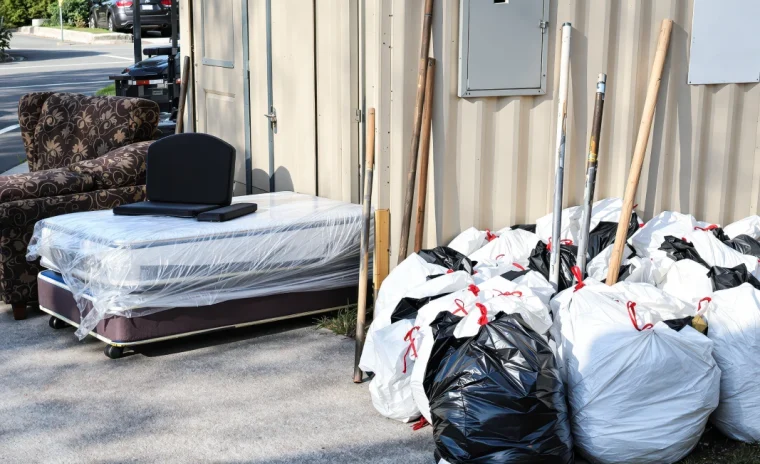
Most residential waste haulers impose strict size and weight limits on curbside pickup, typically refusing items longer than four feet or heavier than 50 pounds. That means your old sectional sofa, king-size mattress, or refrigerator won’t be collected during your regular service, even if you set it out the night before. Municipal codes in West Babylon and across Nassau County require advance arrangements for bulky items, and many towns charge additional fees or limit pickups to one or two items per household per month.
Mattresses present a particular challenge because they can harbor bed bugs and absorb moisture, making them unsuitable for standard compactor trucks. New York State passed legislation encouraging mattress recycling, and specialized facilities disassemble them to recover foam, metal springs, and fabric. If you’re replacing bedroom furniture or clearing out a rental property, scheduling a mattress removal service ensures the item is handled correctly and keeps your curbside area clear.
Appliances, especially those containing refrigerants like air conditioners, refrigerators, and freezers, require certified technicians to recover coolants before disposal. Federal law mandates this step, and haulers cannot accept these items until the process is complete. During summer months on Long Island, when air conditioning upgrades peak, demand for appliance removal spikes, so booking early helps you avoid delays.
For homeowners managing estate cleanouts, downsizing projects, or post-renovation debris, furniture removal and dumpster rental services offer a more practical solution than attempting multiple curbside pickups. A 15- or 20-yard dumpster rental accommodates bulky items, broken furniture, and mixed household debris in one container, and the hauler handles sorting and disposal according to county regulations. You load at your own pace, and the service includes transportation to licensed facilities, saving you repeated trips and potential fines for oversized items left at the curb.
Yard waste, including branches, leaves, grass clippings, and root balls, is banned from regular trash collection in most Long Island communities because organic material generates methane in landfills and takes up valuable space. West Babylon and neighboring towns offer seasonal curbside yard waste pickup in biodegradable bags or bundled branches, but the programs typically run only from April through November and exclude:
If you’re tackling a major landscaping project, clearing overgrown brush, or removing trees damaged by winter storms, you’ll quickly exceed the limits of curbside service.
Construction debris, such as lumber, drywall, shingles, concrete, and demolition waste, is never accepted in regular trash pickup. These materials are heavy, require specialized disposal facilities, and often contain recyclable components like metal, wood, and aggregate. Mixing construction debris with household trash violates local ordinances and can result in refused pickups or fines from your waste hauler. Nassau County operates a construction and demolition debris recycling facility, but it’s restricted to commercial haulers and requires proper sorting.
For homeowners undertaking kitchen remodels, bathroom renovations, or deck replacements, construction debris removal and dumpster rental services provide a straightforward solution. A 20- or 30-yard dumpster handles lumber, drywall, flooring, and fixtures, and the hauler ensures materials reach the appropriate recycling or disposal facility. During spring and fall, when outdoor projects and land clearing work peak, scheduling your dumpster rental in advance helps you avoid delays.
If you’re managing a property cleanout that includes both household items and yard debris removal, such as clearing an overgrown backyard or removing fencing, a single service that handles mixed loads saves time and coordination. Excavation contractors often generate soil, rock, and root debris that require separate disposal, so planning for demolition debris pickup as part of your project timeline keeps the site safe and compliant with local codes.
Beyond the obvious categories of hazardous waste, bulky furniture, and construction debris, several less-obvious items routinely cause confusion at the curb. Tires, for instance, are banned from landfills across New York State because they trap air, take up space, and pose fire hazards. Most auto shops accept old tires for recycling when you purchase new ones, but if you’re clearing a garage or shed and discover a stack of stored tires, you’ll need to arrange separate disposal. Propane tanks, fire extinguishers, and pressurized cylinders also require special handling due to explosion risks and cannot be placed in waste trucks.
Medical waste, including syringes, needles, and medication, must never enter household trash. Nassau County offers medication drop-box locations at police precincts and pharmacies, and sharps containers can be returned to healthcare providers or designated collection sites. During estate cleanouts or when managing the belongings of a family member who received home healthcare, addressing medical waste separately protects sanitation workers and prevents accidental injuries.
Mixed materials, such as furniture with metal frames, upholstered items, or composite construction debris, often require disassembly or sorting before disposal. If you’re managing a hoarding cleaning service project or clearing years of accumulated items, the volume and variety can overwhelm curbside limits and standard pickup schedules. In these cases, junk removal services provide labor, vehicles, and disposal expertise in one package, sorting items for donation, recycling, or proper disposal and handling the logistics from start to finish.
For items that still have value, such as working appliances, gently used furniture, or building materials from a renovation, donated goods pickup services can redirect usable items to charities and reduce your disposal costs. Many organizations serving Long Island communities accept furniture, appliances, and household goods in good condition, and scheduling a pickup supports local families while clearing your space. When standard curbside service falls short, understanding your disposal options and planning ahead ensures your project stays on schedule, complies with local regulations, and minimizes waste sent to landfills.
Beyond the obvious categories of hazardous waste, bulky furniture, and construction debris, several less-obvious items routinely cause confusion at the curb. Tires, for instance, are banned from landfills across New York State because they trap methane gas, create fire hazards, and occupy significant landfill volume. If you’re replacing tires on your vehicle, most auto shops and tire retailers in West Babylon and surrounding areas accept used tires for a small disposal fee. For larger quantities accumulated during property cleanouts, you’ll need a dedicated junk removal service that can transport them to certified tire recycling facilities.
Textiles and clothing present another common rejection point. While donating usable garments to charities remains the best first option, worn-out fabrics, heavily stained linens, and damaged shoes cannot simply go into your household trash bin in many Long Island municipalities. Suffolk County encourages textile recycling through drop-off programs at municipal facilities, and several private organizations operate collection bins throughout the area. When clearing out an entire household or dealing with large volumes of unsalvageable textiles during estate cleanouts, bundling and transporting these materials yourself can become impractical. In those situations, scheduling a house clean-out that includes textile handling saves you multiple trips.
Mixed or contaminated materials also cause frequent issues. Mattresses soiled with mold or bodily fluids, carpeting saturated with water damage, and upholstered furniture exposed to pest infestations fall into a gray area that standard haulers refuse due to health and contamination concerns. These items require special handling and, in some cases, disposal at facilities equipped to manage potentially biohazardous waste. Similarly, propane tanks, even small camping canisters, are rejected at the curb because they pose explosion risks during compaction. Hardware stores and propane suppliers in the area typically offer tank exchange or disposal services, but if you’re managing the cleanout of a garage, shed, or storage unit with multiple tanks, a single call to a junk removal provider eliminates the need to coordinate separate drop-offs. The key to managing these less-obvious rejections is recognizing when the volume, contamination level, or specialized handling requirements exceed what you can reasonably manage on your own, and acting before the items pile up and create a larger disposal challenge.