$25 Off Your First Dumpster Rental Service!
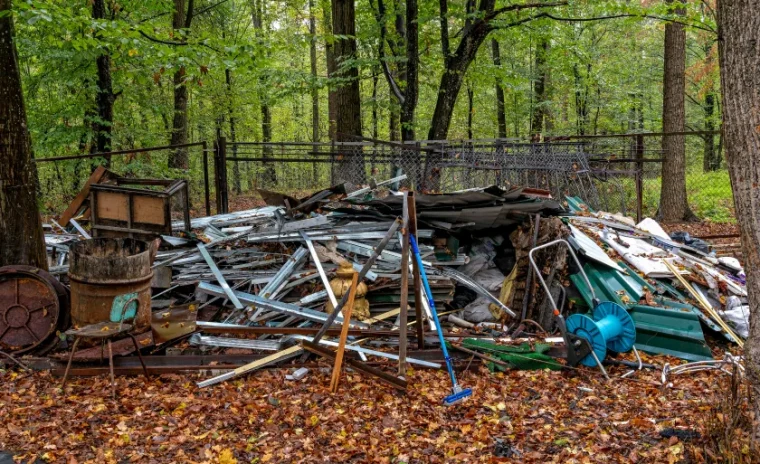
1. Failing to Sort Items Before Scheduling Pickup
One of the most common and costly mistakes is not sorting items before the removal team arrives. When materials are mixed together, workers must spend additional time separating recyclables, hazardous materials, and general waste. Since labor costs typically range from $75 to $150 per worker per hour, this extra time quickly increases the final bill. Mixed loads can also trigger additional sorting fees at disposal facilities.
Pre-sorting materials can reduce costs significantly. Separating recyclables like metals, cardboard, and wood from general waste lowers disposal fees. Identifying electronics that require special e-waste processing and isolating hazardous materials such as paint or chemicals also prevents complications. Setting aside items suitable for donation can further reduce removal costs because many services transport these items at reduced rates or for free. Spending a few hours organizing materials before pickup can lower total expenses by roughly 25–35%.
2. Choosing the Wrong Service Type for Your Project
Selecting the wrong junk removal method can also lead to unnecessary spending. Many people automatically choose full-service removal, where workers handle all lifting and disposal, even when a container rental might be more economical.
Full-service removal works best for smaller jobs, urgent pickups, or items that require special handling such as mattresses or appliances. However, for larger projects like renovations, estate cleanouts, or ongoing yard work, renting a dumpster can be far cheaper. A two-week dumpster rental might cost $400–$550, while full-service removal for the same volume of debris could range from $700–$1,100.
That said, rentals also have factors to consider. Permit requirements, placement restrictions, homeowner association rules, and weight limits can increase costs if overlooked. In many cases, a hybrid solution works best—using a dumpster for general debris while scheduling separate pickups for large items, electronics, or furniture.
3. Accepting Quotes Without On-Site Assessment
Another common mistake is relying on phone estimates or online quote calculators instead of requesting an on-site evaluation. Remote quotes often fail to account for the true size of the project, the number of items, or logistical challenges like narrow staircases, long carrying distances, or limited building access.
Weight miscalculations are also common, especially when basements or attics contain dense materials like books, tools, or records. These errors can cause final costs to exceed initial quotes by 30–50%.
An on-site assessment allows professionals to accurately evaluate the project, determine the best removal method, estimate weight and volume correctly, and identify items requiring special handling. It also gives them the opportunity to suggest cost-saving strategies, such as separating materials, selling valuable items, or dividing large projects into multiple phases.
4. Ignoring Seasonal Timing and Scheduling Strategy
Timing can also affect junk removal pricing. Demand for removal services fluctuates throughout the year, and scheduling during high-demand seasons often leads to higher prices.
Spring and early summer are peak periods because many homeowners begin renovations, yard cleanups, and decluttering projects. This increased demand can raise prices and reduce scheduling flexibility. Fall also sees increased activity as people prepare homes and businesses for the winter or holiday season.
Winter months typically offer the best pricing because demand is lower. Many companies offer discounts during this period to maintain consistent work. Interior cleanouts, garage clearing, and appliance removal are ideal projects to schedule during the off-season. Planning ahead and avoiding same-day or emergency service can also prevent rush fees, which may add $100–$200 to the total cost.
5. Overlooking Donation and Recycling Opportunities
Finally, many people overlook opportunities to reduce costs through donation and recycling. Items such as furniture, clothing, appliances, and household goods in usable condition can often be donated to charities. Some organizations even offer free pickup, eliminating disposal costs entirely.
Recycling also helps lower expenses. Materials like metal, wood, and concrete are often cheaper to recycle than to send to landfills. Electronics, appliances, and mattresses frequently have specialized recycling programs that reduce disposal fees.
Ignoring these options increases junk removal costs because services typically charge by weight or volume. By donating reusable items and recycling appropriate materials, property owners can reduce landfill fees, support community organizations, and potentially qualify for tax deductions.
Conclusion
Avoiding common junk removal mistakes can significantly lower costs and improve efficiency. Pre-sorting materials, choosing the right service type, requesting on-site estimates, scheduling strategically, and exploring donation and recycling options all help reduce expenses. With proper planning, homeowners and businesses can complete cleanout projects more affordably while supporting environmentally responsible disposal practices.