$25 Off Your First Dumpster Rental Service!
Clear Storm Damage Fast: Yard Debris Prep in West Babylon, NY
Secure Your Property Before the Storm
Long Island’s position between the Atlantic Ocean and Long Island Sound creates a unique vulnerability to severe weather patterns, particularly during late summer hurricane season and winter nor’easters. Taking proactive steps before severe weather arrives can dramatically reduce the volume of debris your property accumulates and minimize potential damage to structures and landscaping.
Start by inspecting trees and large shrubs for dead or weakened branches that hang over rooflines, driveways, or power lines. Oak and maple trees, common throughout Nassau and Suffolk counties, are particularly prone to dropping heavy limbs during high winds. Remove these hazards well in advance, ideally during late spring or early fall when professional tree services are more readily available.
Next, anchor or store outdoor equipment and furniture. Lightweight items such as patio chairs, umbrellas, grills, and trash bins become dangerous projectiles in sustained winds above 40 mph. Move them into garages or sheds, or secure them with heavy-duty straps. Finally, clear gutters, downspouts, and yard drains to ensure rainwater flows away from your foundation. Clogged drainage systems can cause localized flooding that saturates soil, uproots plants, and creates muddy debris piles that complicate cleanup efforts. These simple preventative measures reduce cleanup time and protect your property investment.
Categorize Debris for Efficient Disposal
Once conditions are safe and local authorities have cleared the area, begin your cleanup by sorting debris into distinct categories. Local waste transfer facilities and recycling centers require organic materials to be separated from construction debris, and failing to do so can result in rejected loads or additional fees.
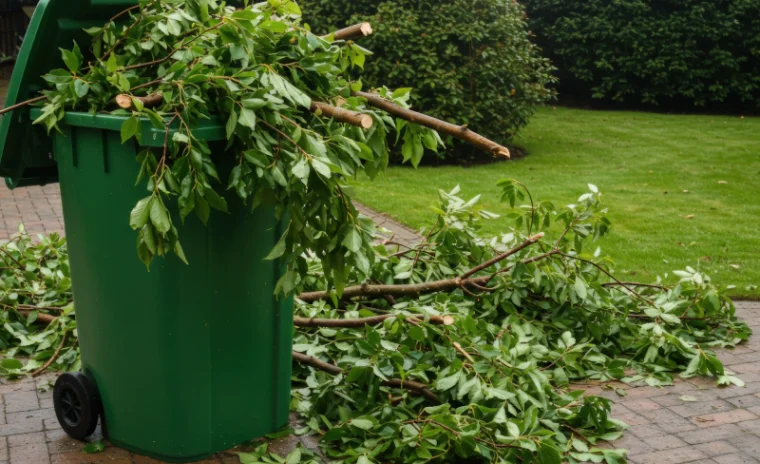
Create separate piles for organic waste, which includes tree branches, twigs, leaves, grass clippings, soil, and uprooted shrubs. These materials are typically processed into mulch or compost at municipal facilities. Keep branches under four feet in length when possible, as many facilities have size restrictions. If you have large limbs or tree trunks, set those aside in a third pile for specialized pickup or processing.
In a different area, collect structural debris such as broken fencing, damaged deck boards, roofing shingles, siding, and other building materials. These items require different handling and cannot be mixed with organic waste. If you’re unsure whether an item qualifies as organic or construction debris, err on the side of separation. Most haulers prefer over-sorted materials to contaminated loads.
For homeowners dealing with significant storm damage, professional debris removal services can handle sorting, loading, and disposal, saving considerable time and physical effort. Proper categorization from the start speeds up the entire cleanup process and ensures materials are disposed of responsibly.
Choose the Right Disposal Method
After a major storm, municipal curbside yard waste collection quickly becomes overwhelmed. Waiting for scheduled pickup can mean living with debris piles for weeks, and strict bag limits often require multiple collection cycles to clear even moderate storm damage. For efficient cleanup, homeowners typically choose between bulk debris pickup services and on-site dumpster rentals.
Bulk pickup works well when you have a few concentrated piles of organic debris, such as a downed tree or large branch accumulation. Professional crews arrive, load the material into their trucks, and haul it away in a single visit. This option minimizes disruption to your property and requires no effort on your part beyond creating accessible piles.
Dumpster rental offers greater flexibility for mixed debris types or larger cleanup projects. A roll-off container is delivered to your driveway, where it remains for an agreed rental period, typically three to seven days. This allows you to work at your own pace, filling the container as your schedule permits. For properties with both yard debris and damaged structures, a 20-yard or 30-yard container handles the full scope of materials without requiring pre-sorting into separate pickup appointments.
In West Babylon and surrounding communities, same-day dumpster rental services are available during peak storm recovery periods, though availability depends on demand. For immediate assistance, requesting a free estimate helps determine the most cost-effective solution for your specific cleanup needs.
When to Hire Professional Help
While many homeowners can handle minor branch cleanup independently, larger storm events often require professional assistance. Knowing when to call for help protects both your safety and your property from further damage.
Consider professional debris removal if you’re dealing with heavy limbs near power lines, large tree trunks that require cutting equipment, or debris volumes that exceed what you can reasonably move in a weekend. Properties with structural damage, such as collapsed fencing or roof debris, also benefit from professional handling to ensure materials are properly sorted and disposed of according to local regulations.
Professional services typically offer 24-hour response times during storm recovery periods, with crews dispatched based on damage severity and geographic zones. In Nassau and Suffolk counties, response times average four to eight hours for emergency calls during active storm events, though this can extend during widespread weather emergencies affecting the entire region.
When you schedule professional removal, crews assess the debris volume, provide transparent pricing, and complete the work in a single visit whenever possible. Services include loading, hauling, and disposal at licensed facilities, with documentation provided for insurance claims if needed. For properties requiring both immediate debris removal and ongoing cleanup support, providers can coordinate dumpster rental services alongside crew-assisted removal, offering a complete solution tailored to your recovery timeline and budget.
Maintain Resilience After Cleanup
Once immediate cleanup is complete, implementing a long-term maintenance plan helps your property withstand future storms with less damage. Regular upkeep reduces the volume of debris generated during severe weather and protects your landscaping investment.
Schedule annual tree inspections and pruning, particularly for mature trees near structures or power lines. Dead branches and weak limbs are best removed during dormant seasons, when professional tree services have greater availability and trees recover more quickly from pruning. Establish a drainage maintenance routine that includes gutter cleaning at least twice yearly, in late spring and early fall, to prevent water backup and foundation issues.
Consider upgrading vulnerable landscape features with storm-resistant alternatives. Replace lightweight patio furniture with heavier materials or invest in storage solutions that make securing items quick and easy. For properties with recurring drainage problems, installing French drains or regrading problem areas prevents the soil saturation that contributes to debris accumulation and plant loss.
Keep contact information readily available for debris removal and dumpster rental providers so you can respond quickly when severe weather is forecast. Having established relationships with local service providers ensures faster response times during peak demand periods. For immediate assistance or to discuss storm preparation strategies specific to your property, contact a licensed provider for a free consultation and take advantage of seasonal promotions on cleanup services.